Roof on, doors hung, services roughed in, and the last chance to see inside the walls.
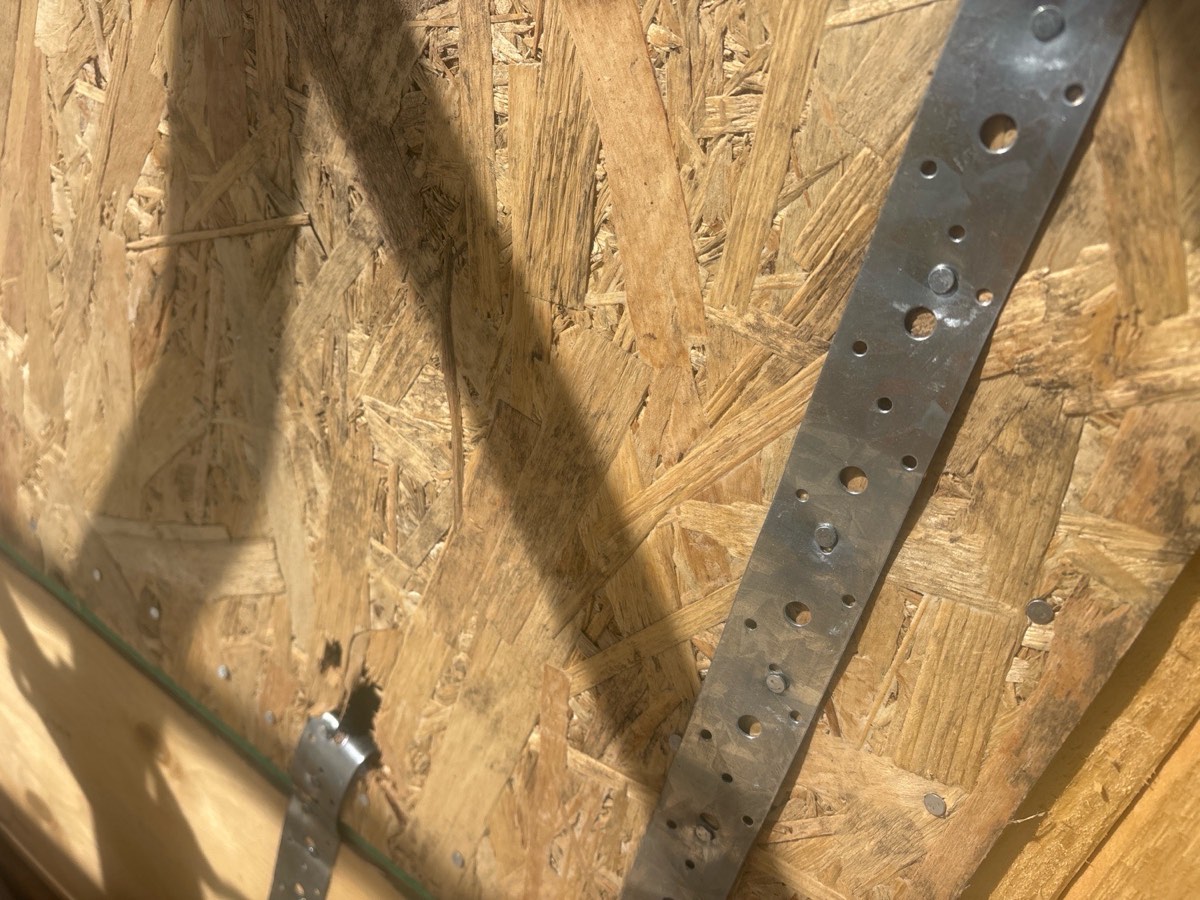
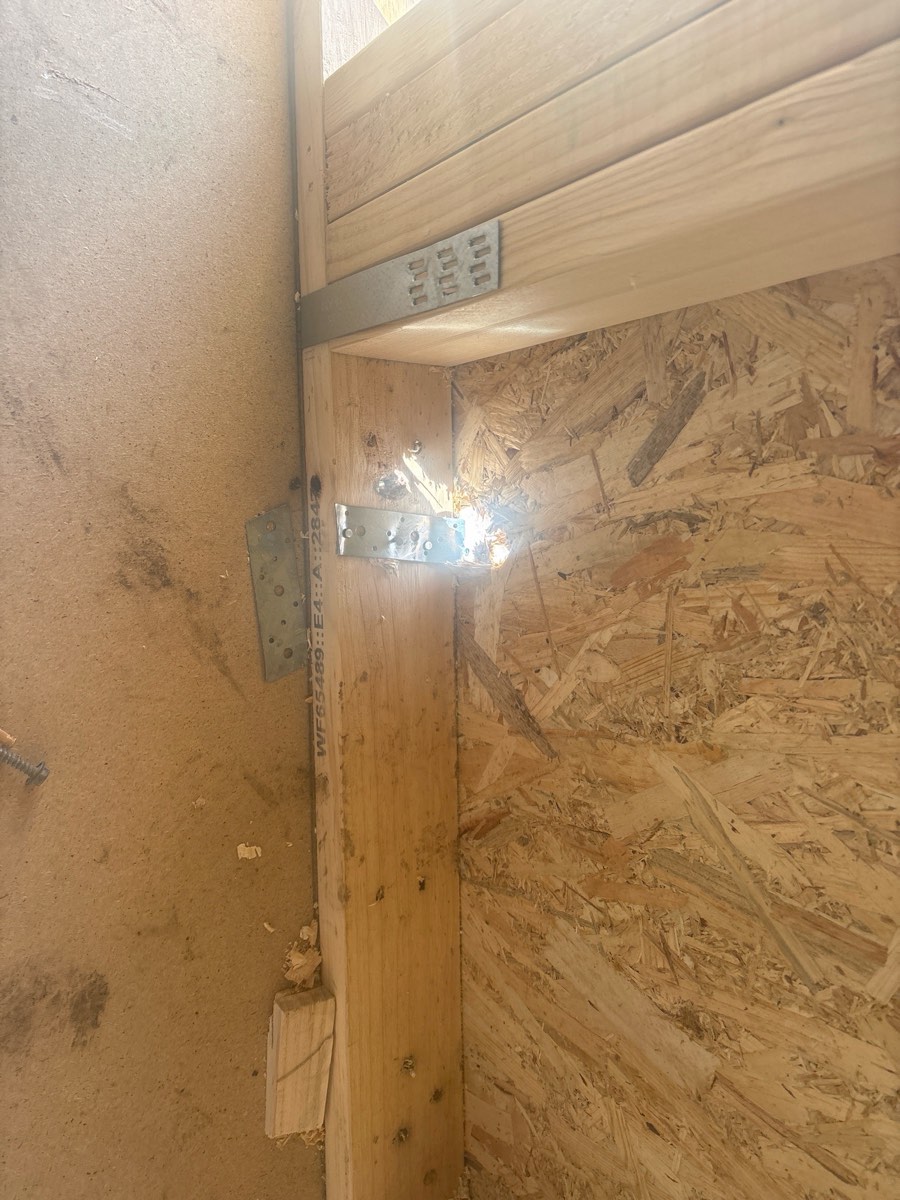
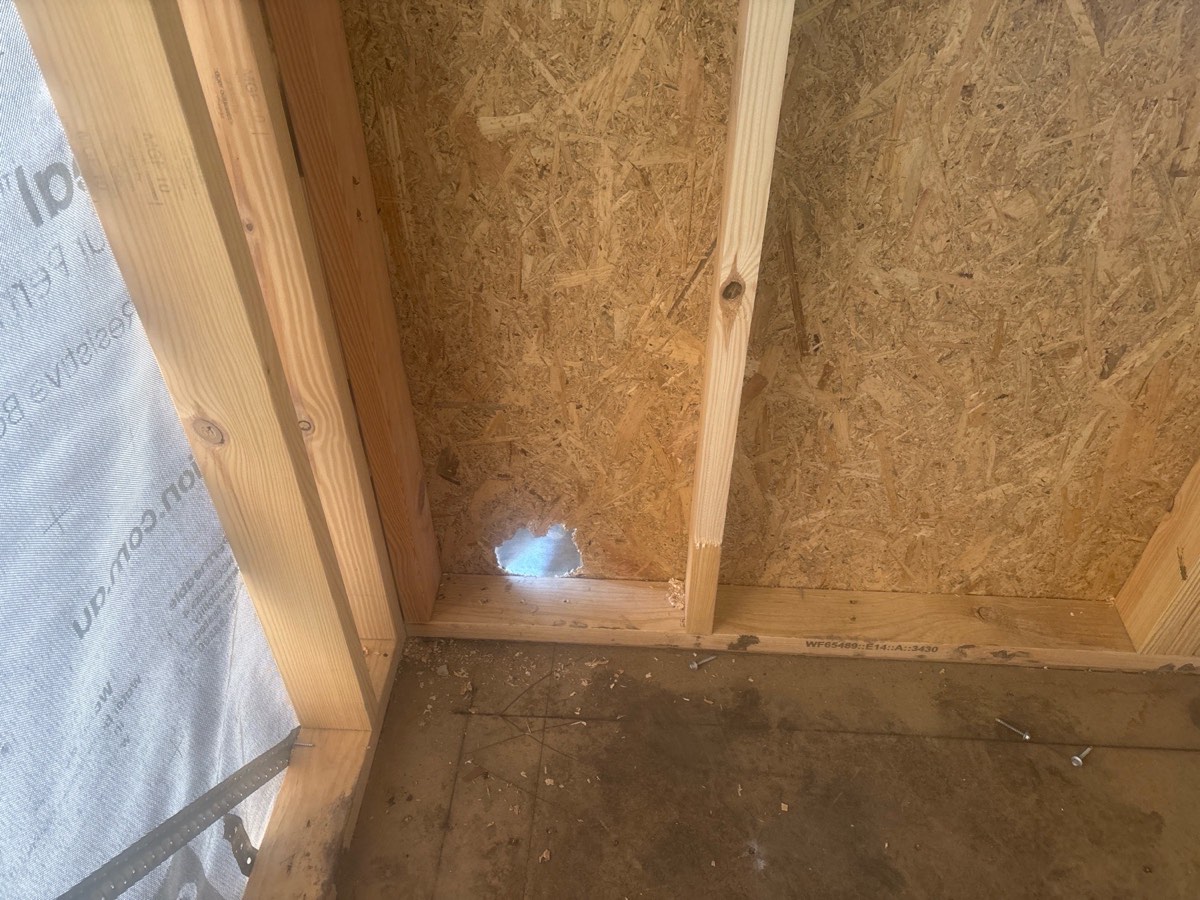
The single most important thing we have found at lock-up in Craigieburn is bracing that has been cut through. A brace is a structural element sized to resist lateral load, and cutting it to run a duct or a pipe removes that capacity entirely. It is not visible after plaster, it will never be picked up at handover, and it is found on more builds than most owners would expect.
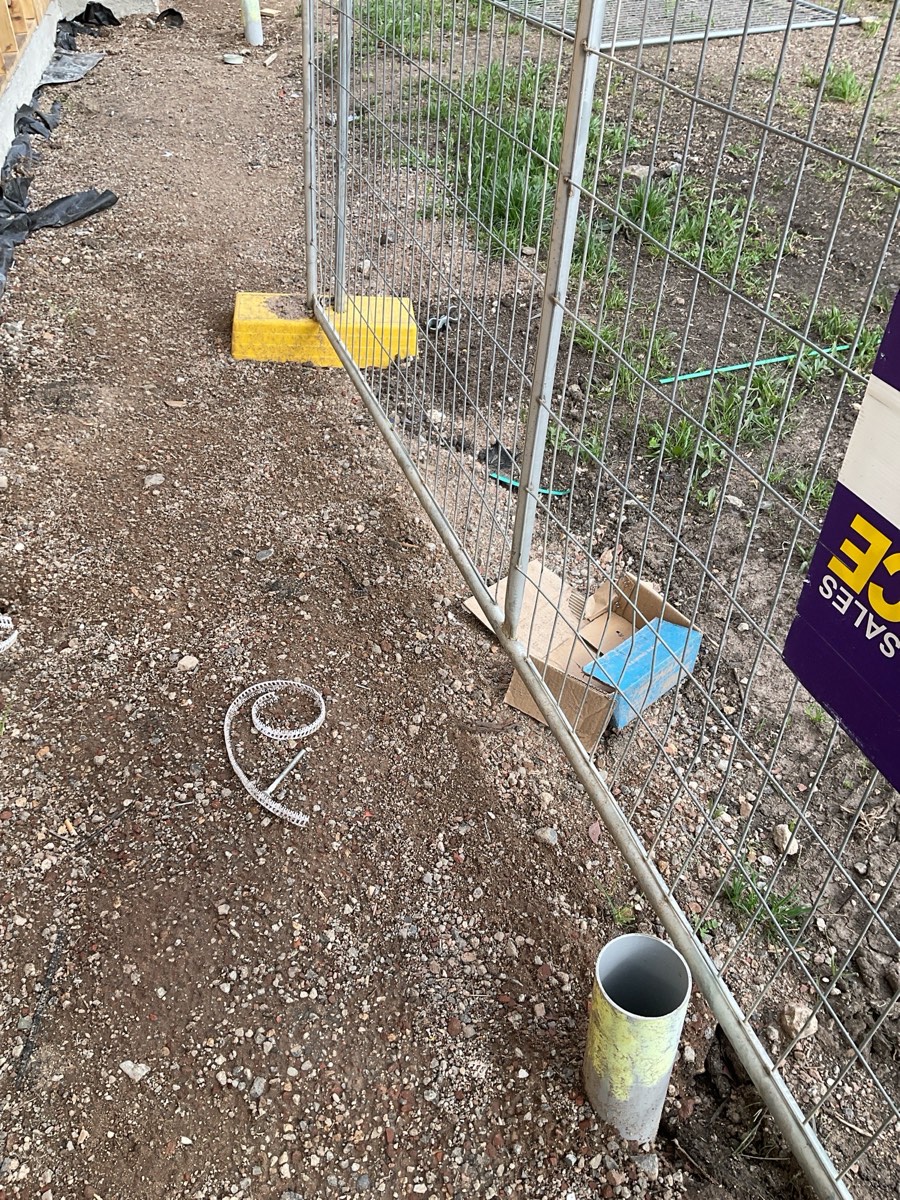
Annotated findings from Lock-up (pre-plaster) inspections on Craigieburn builds. Client addresses withheld.
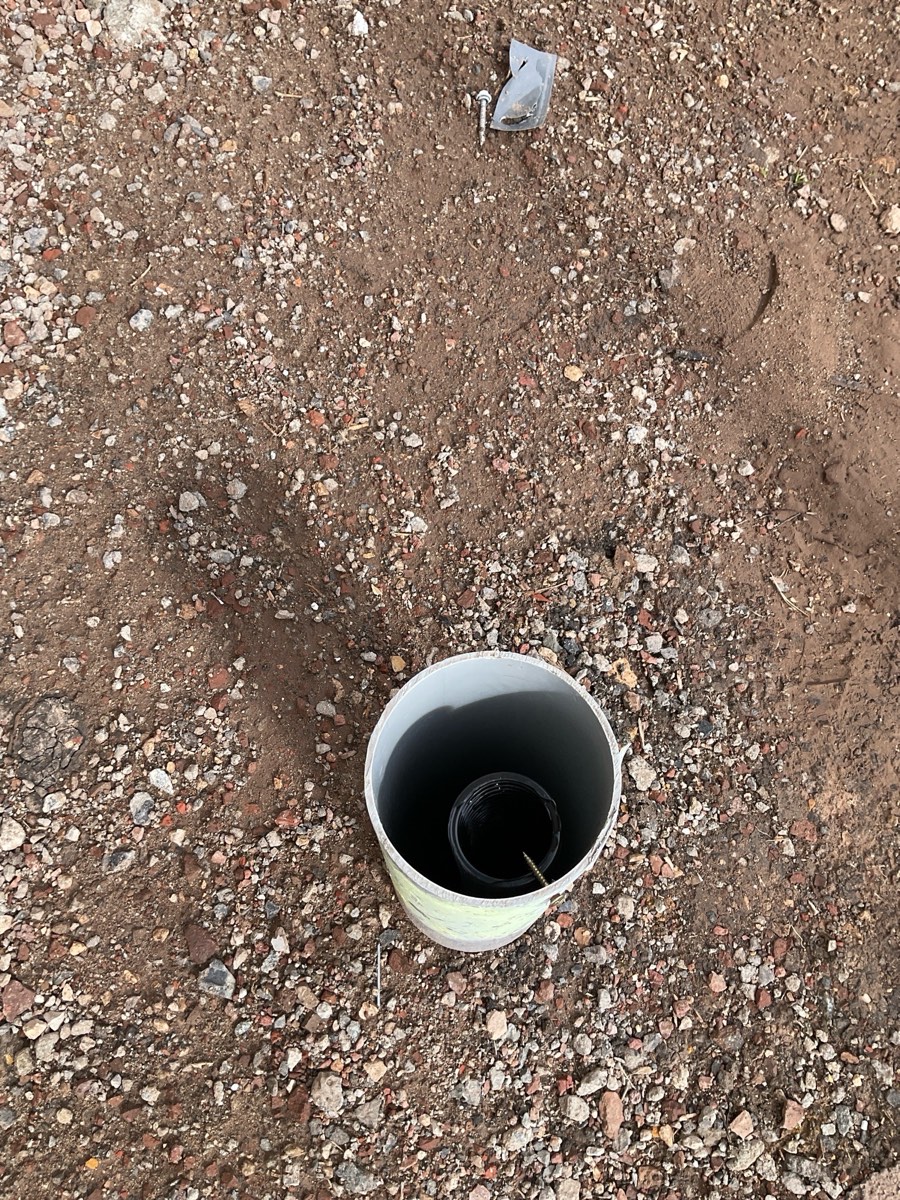
 1Bored piersAfter boring and cage placement, before any concrete
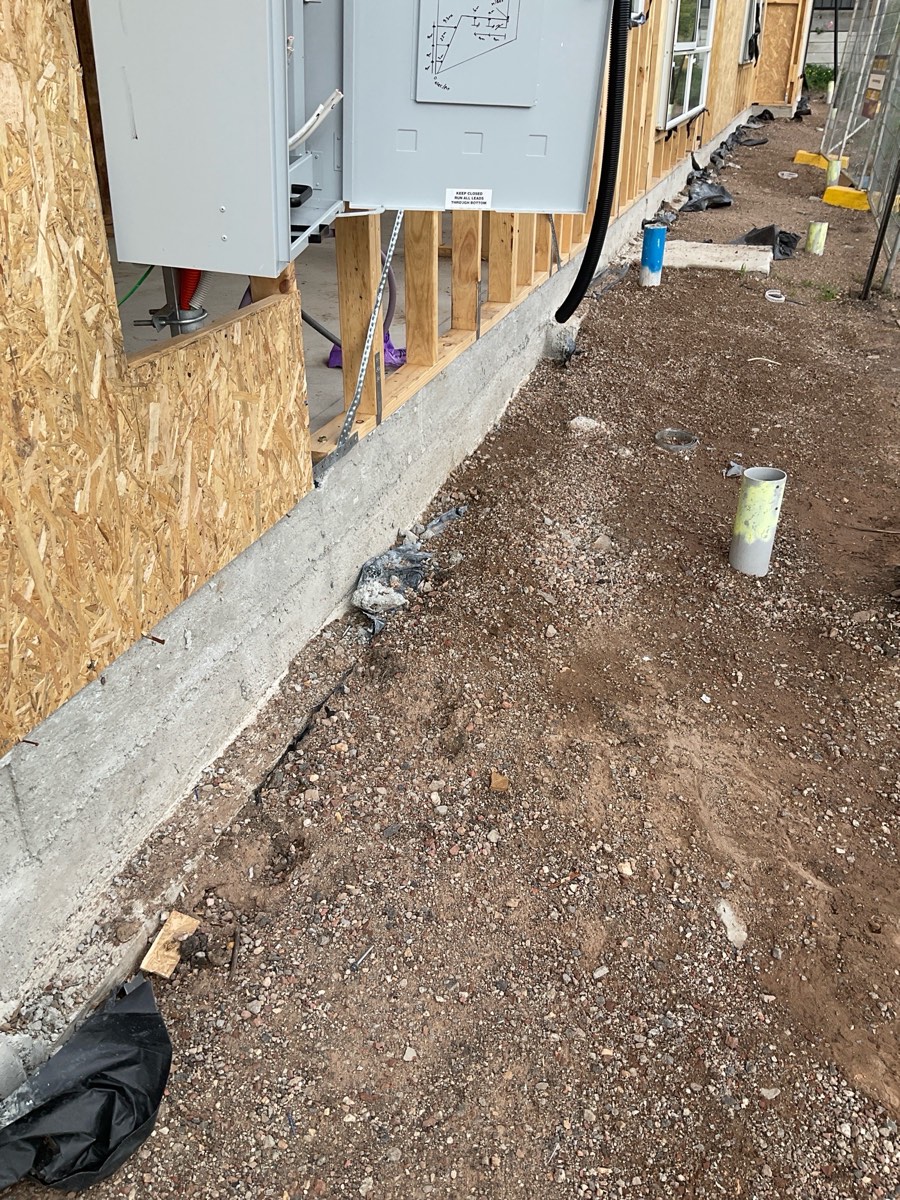 2Slab pre-pourThe day before the pour, steel and formwork complete
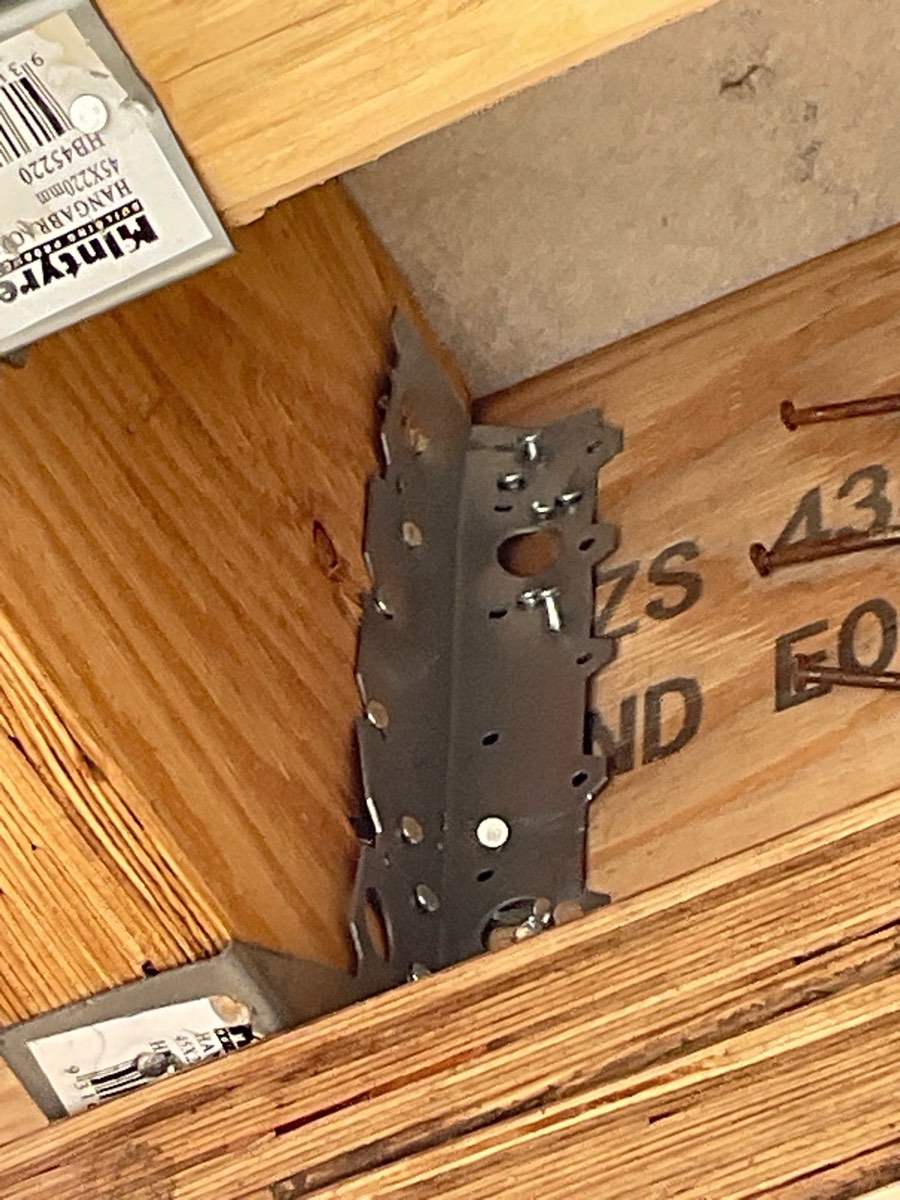
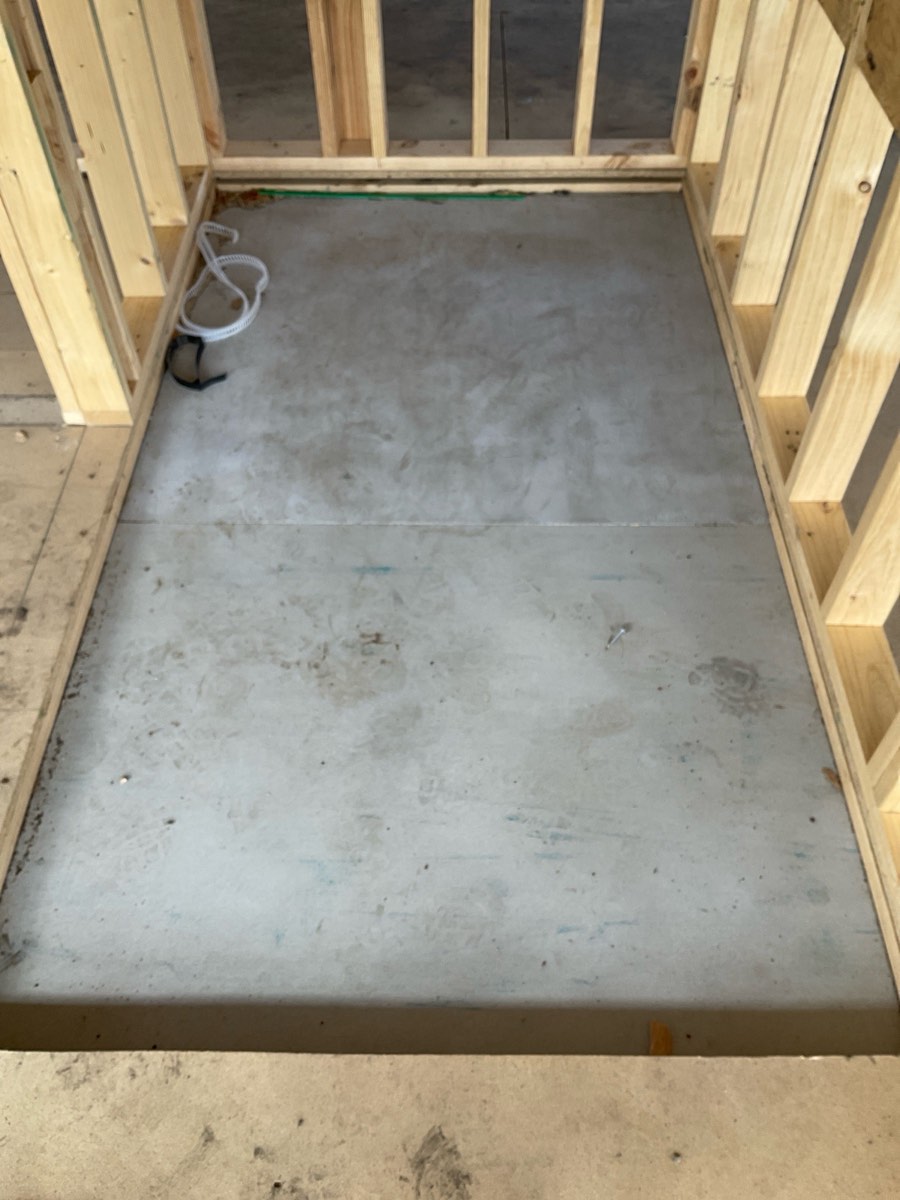 3FrameOnce frame and trusses are up and the roof is on, before lining
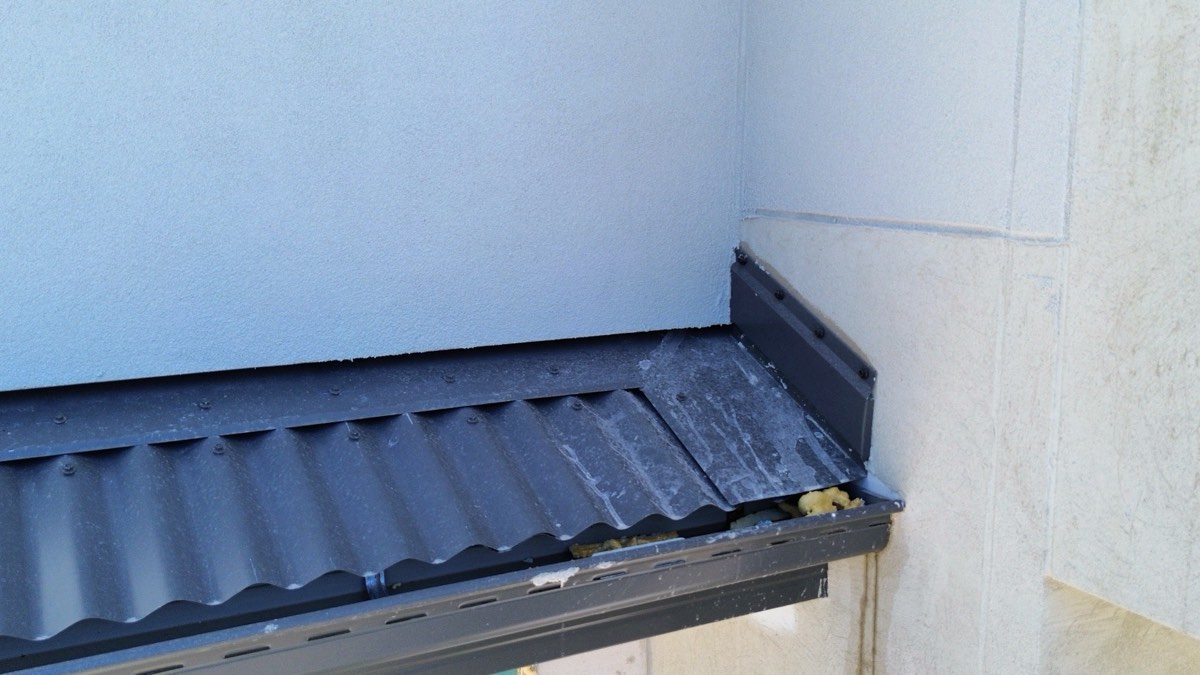 5FixingAfter mouldings, doors and joinery, before the painter
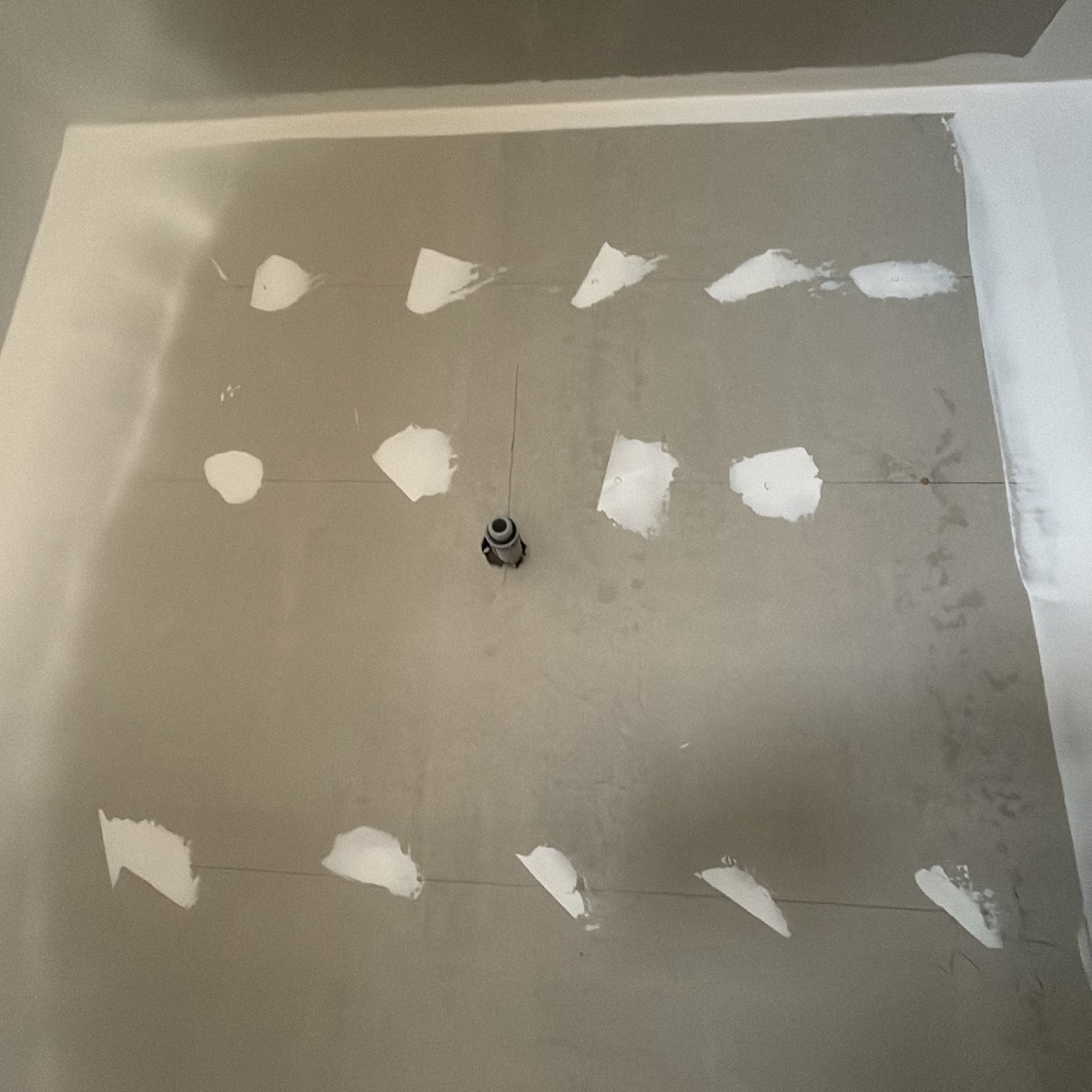 6WaterproofingAfter the membrane is applied and before any tile is laid
 7Pre-handover (PCI)Two to three weeks before your handover date
Instant online pricing, or talk to the booking team on 1300 471 805.
It is a structural non conformity. The brace was sized to carry a specific lateral load and a cut through it removes that capacity at the point it was needed. It is repairable at lock-up and effectively invisible afterwards.
Usually a following trade running a duct, pipe or cable through the quickest path. It is rarely deliberate and almost always avoidable, which is why an independent look before lining is worth having.
Yes, every one. The report carries a reassessment marking each earlier item fixed, partly fixed or outstanding, which is the written record you want if it ever becomes contested.
About two hours plus the report, longer on a double storey or a complex roofline where more of the sarking and flashing detail has to be reached.
Yes, the two terms describe the same stage. What defines it is that the services are in and the linings are not, which on these builds is a window of a few days.
We inspect what is still open and state plainly in the report which areas could not be seen. A partial inspection described honestly is worth more than a full one implied.