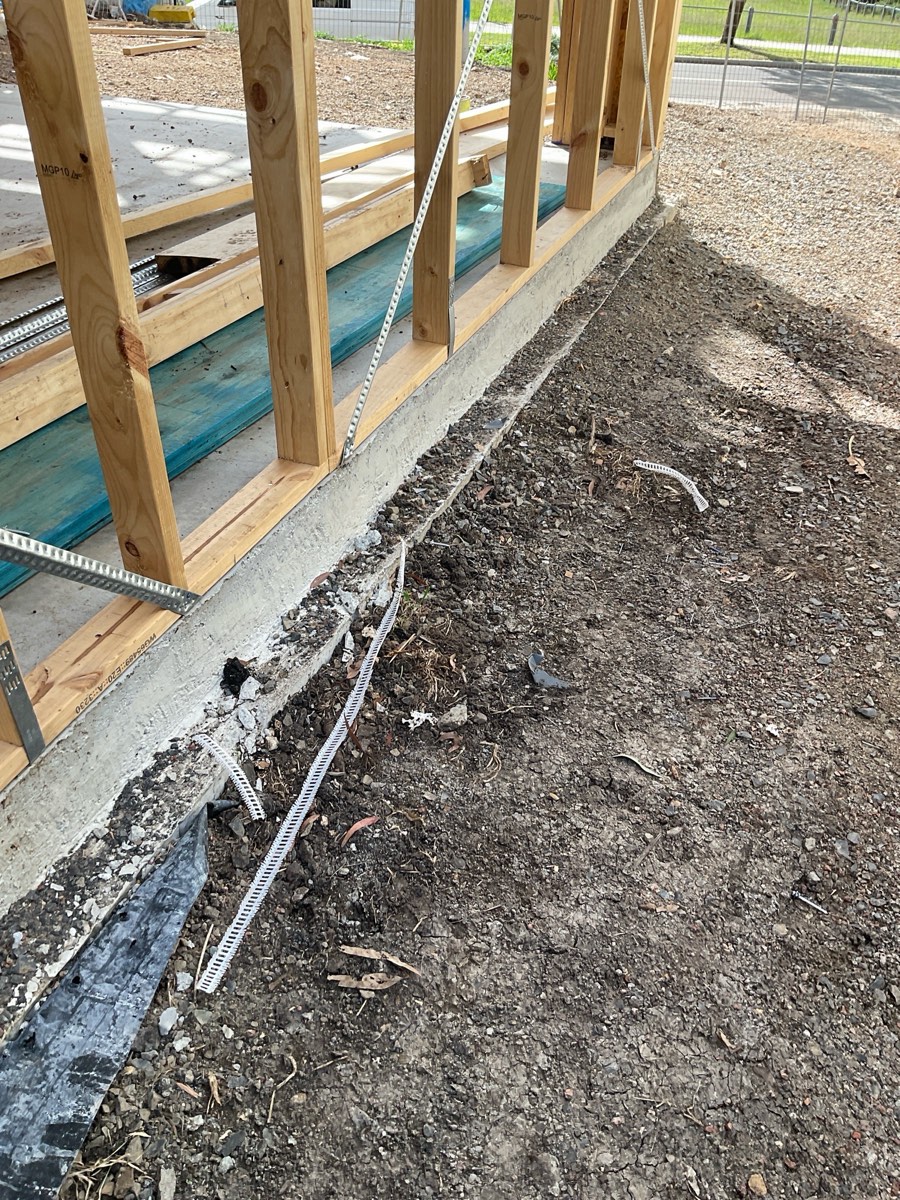
Barrier, steel and formwork, in the hours before any of it is sealed under concrete.
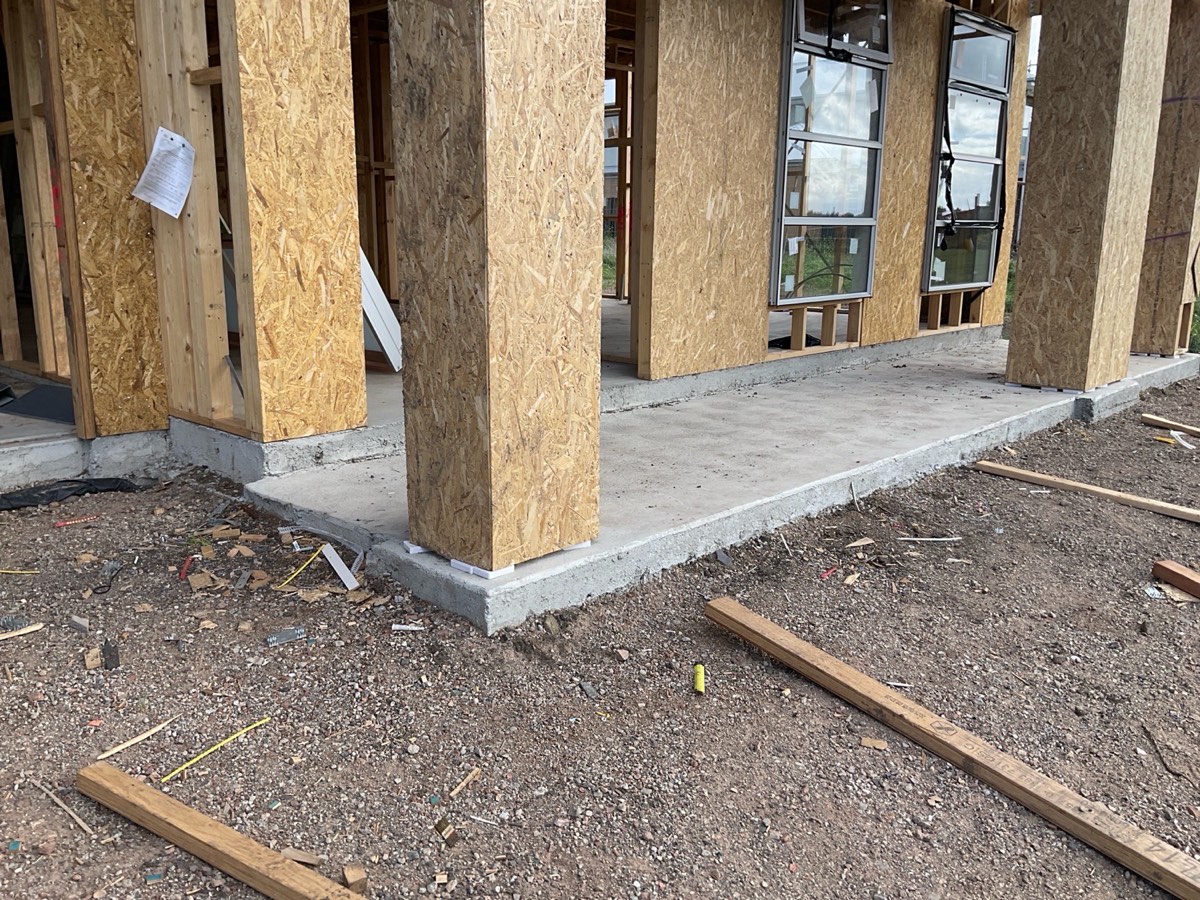
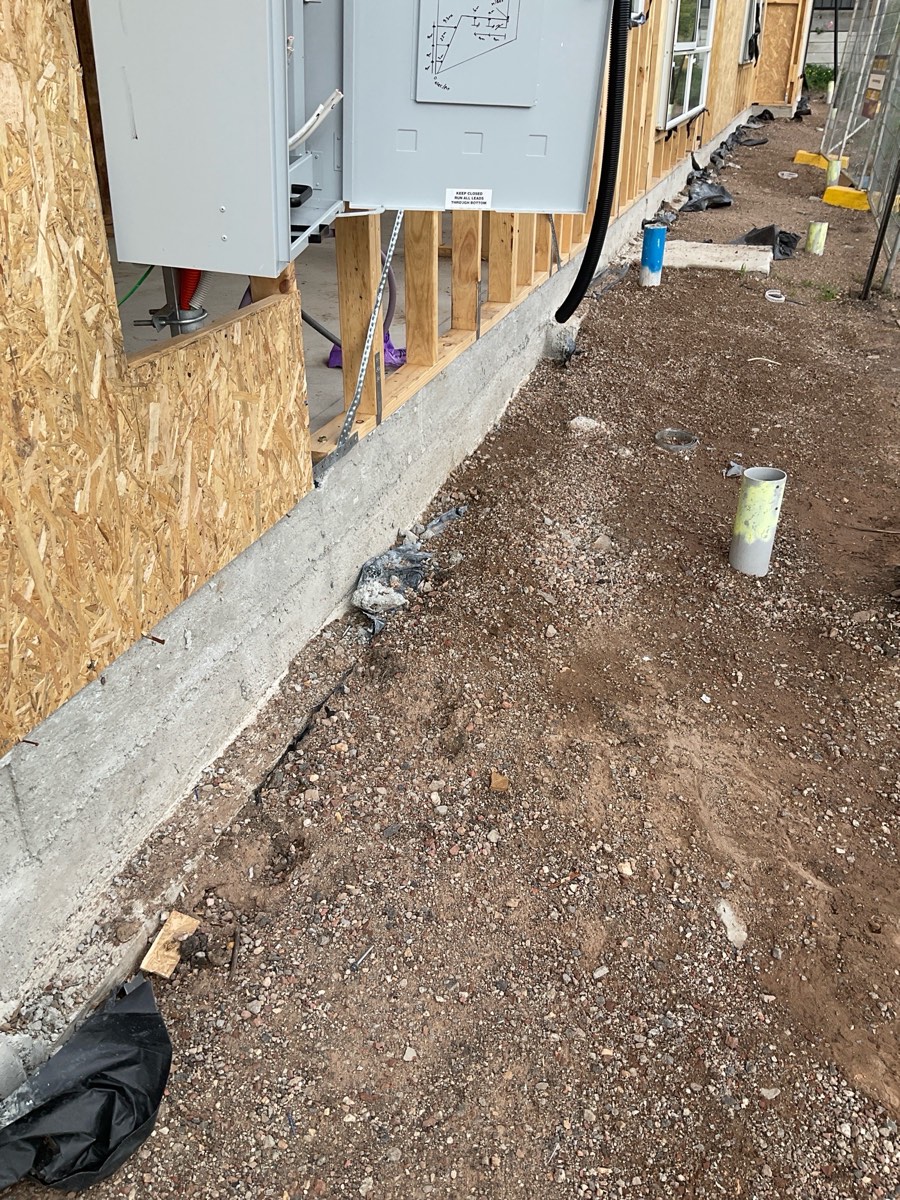
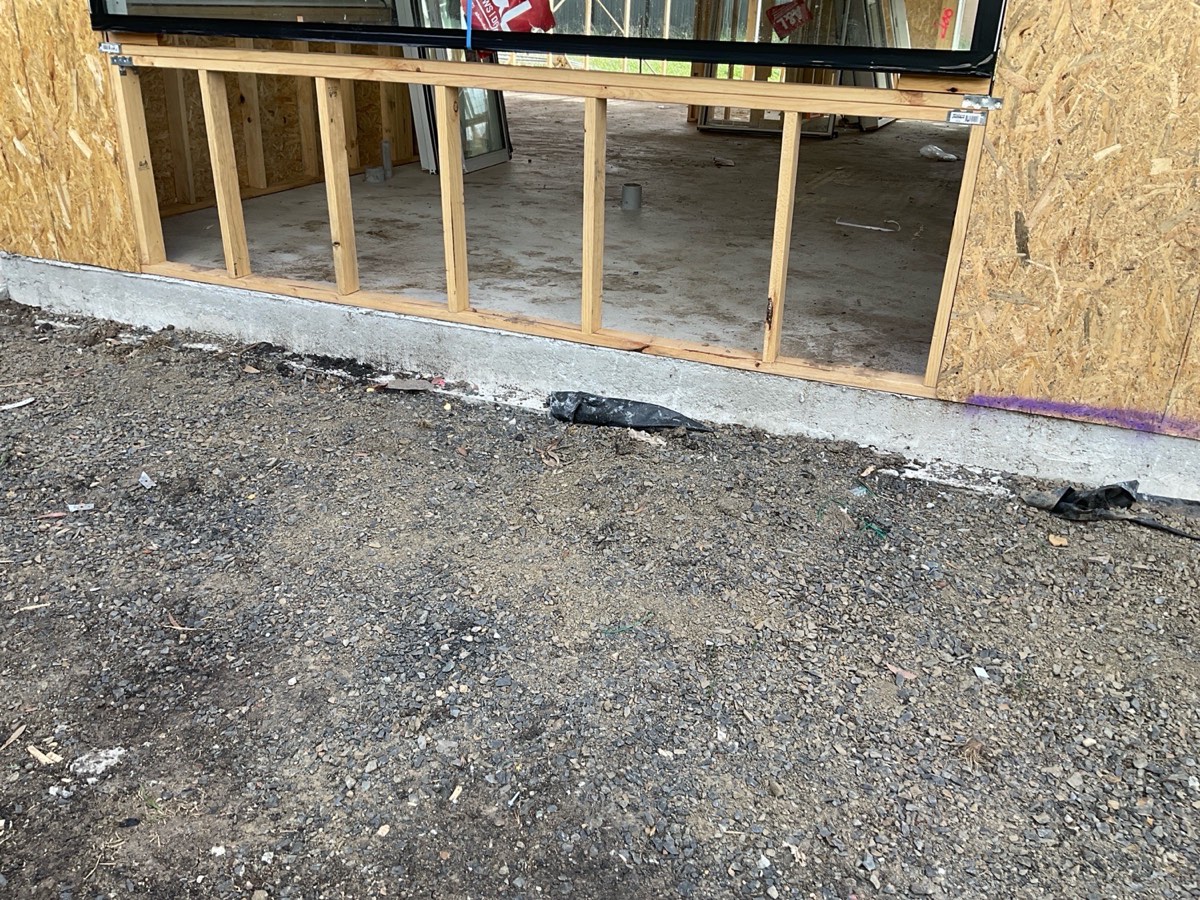
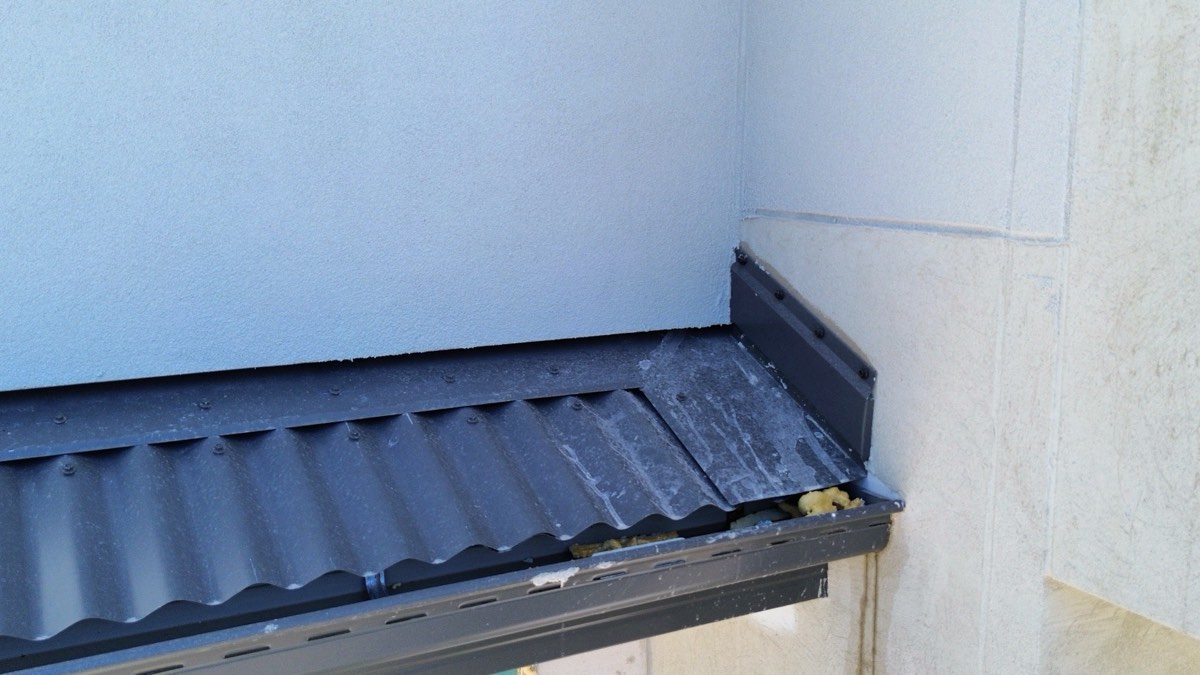
The photographs on this page were recorded at frame stage, not before a pour, and that is deliberate. They show vapour barrier missing in sections along a Craigieburn slab edge, found only because the frame was up and the edge was still exposed. By that point the concrete had been down for weeks and nothing could be done about what sat beneath it. That is the argument for the pre-pour inspection in one image: the barrier is either continuous on the day, or it is a permanent unknown.
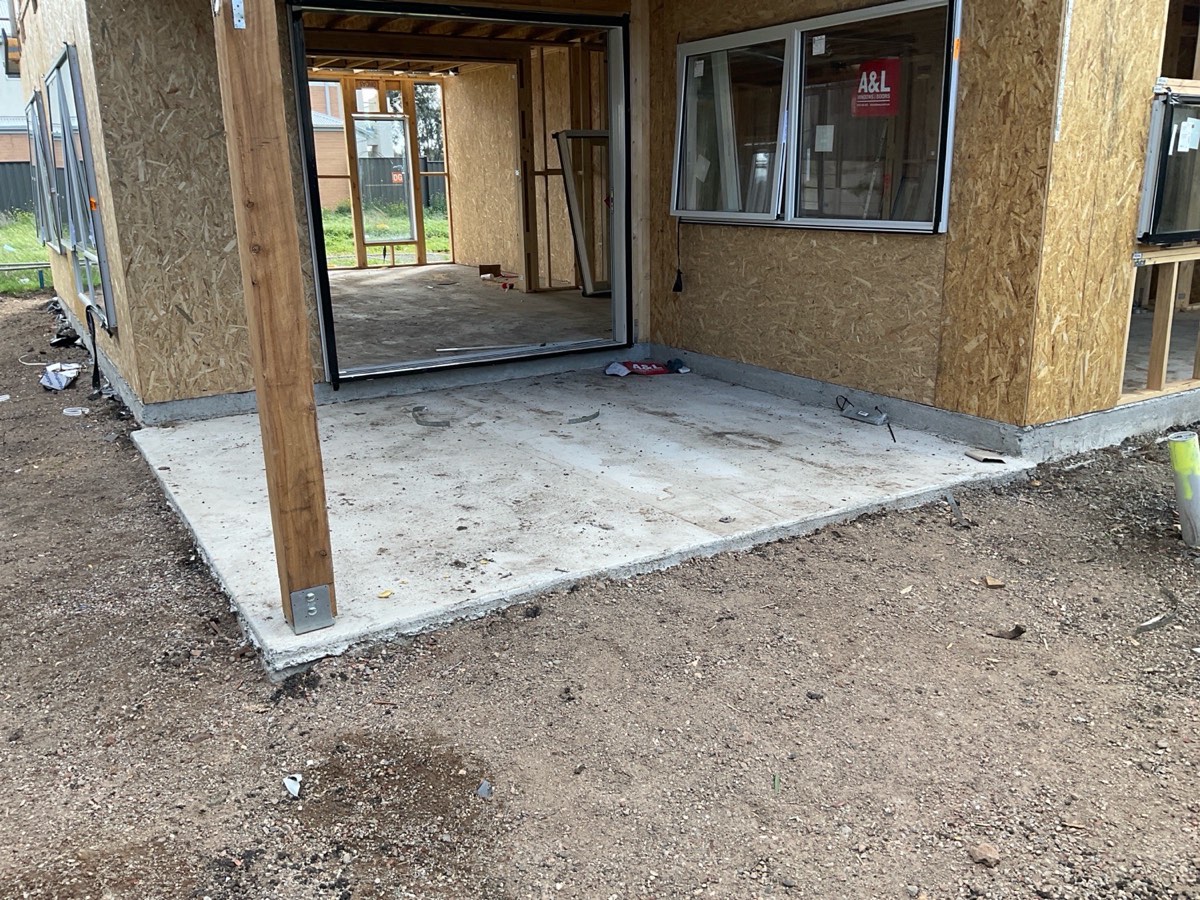
Annotated findings from Slab pre-pour inspections on Craigieburn builds. Client addresses withheld.
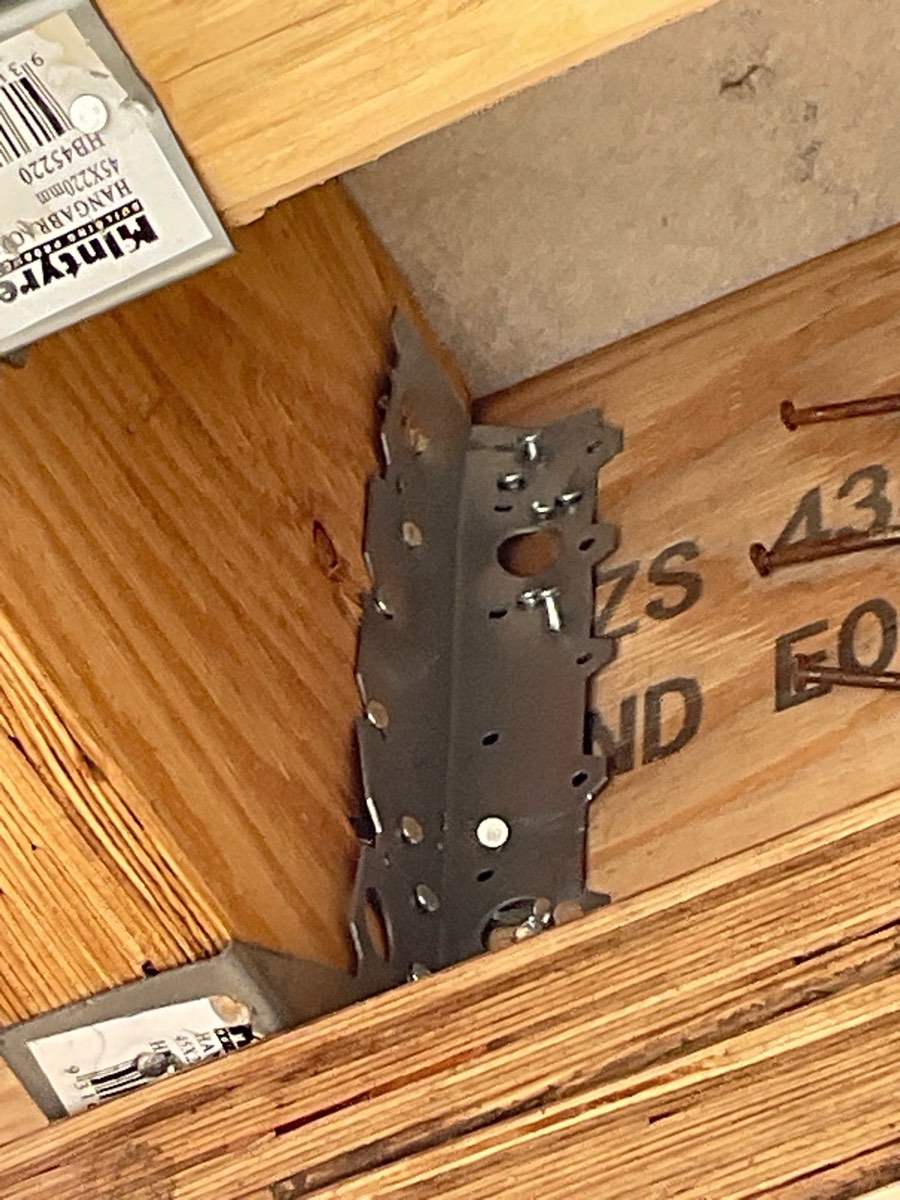 1Bored piersAfter boring and cage placement, before any concrete
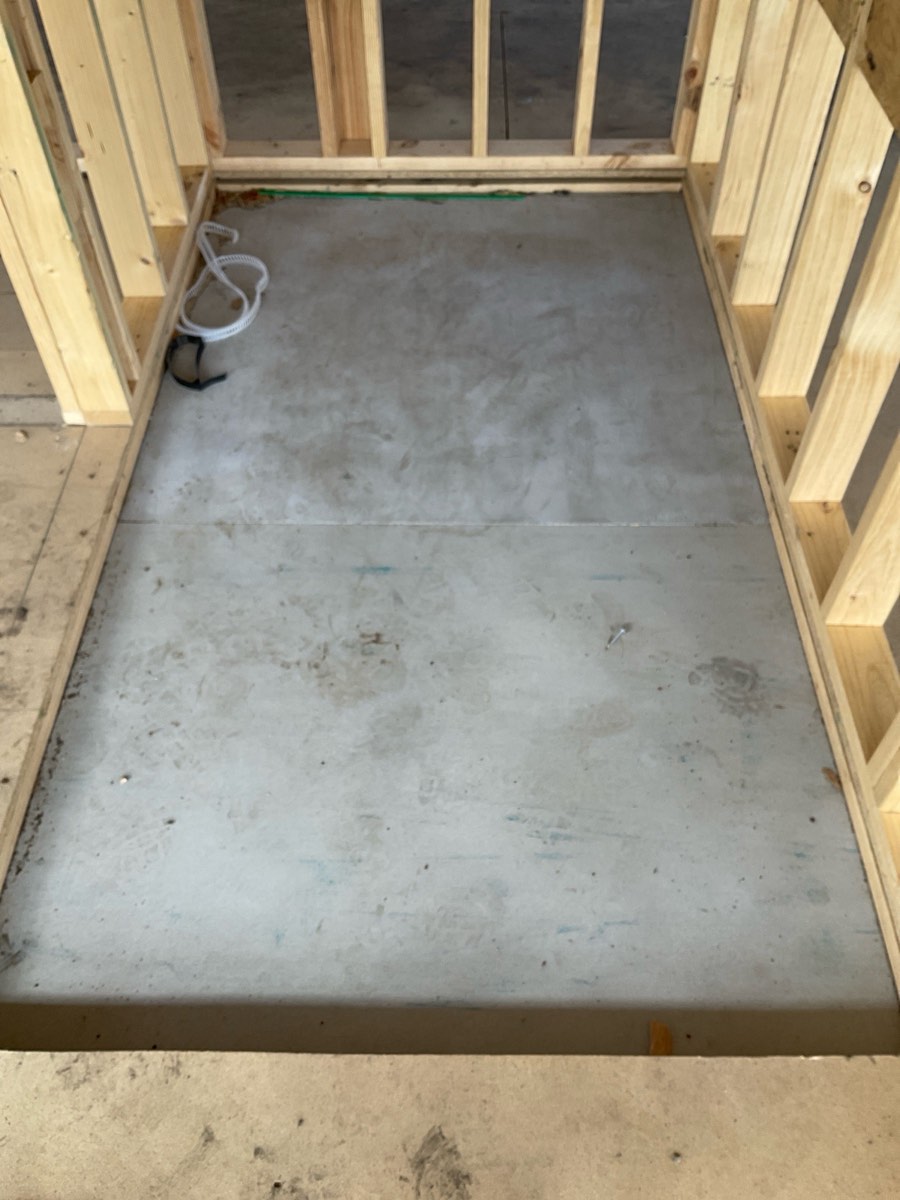 3FrameOnce frame and trusses are up and the roof is on, before lining
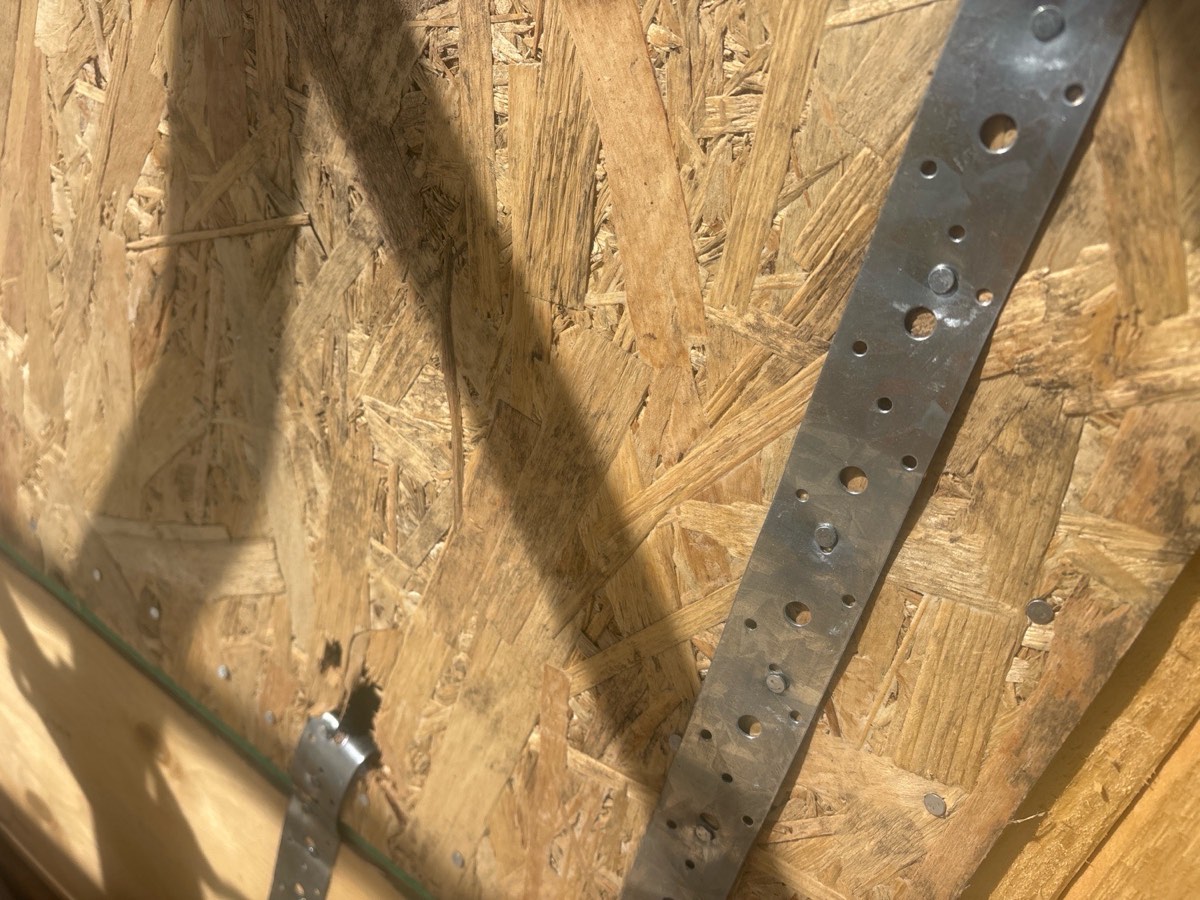 4Lock-up (pre-plaster)After roof, cladding and external doors, before plaster
 5FixingAfter mouldings, doors and joinery, before the painter
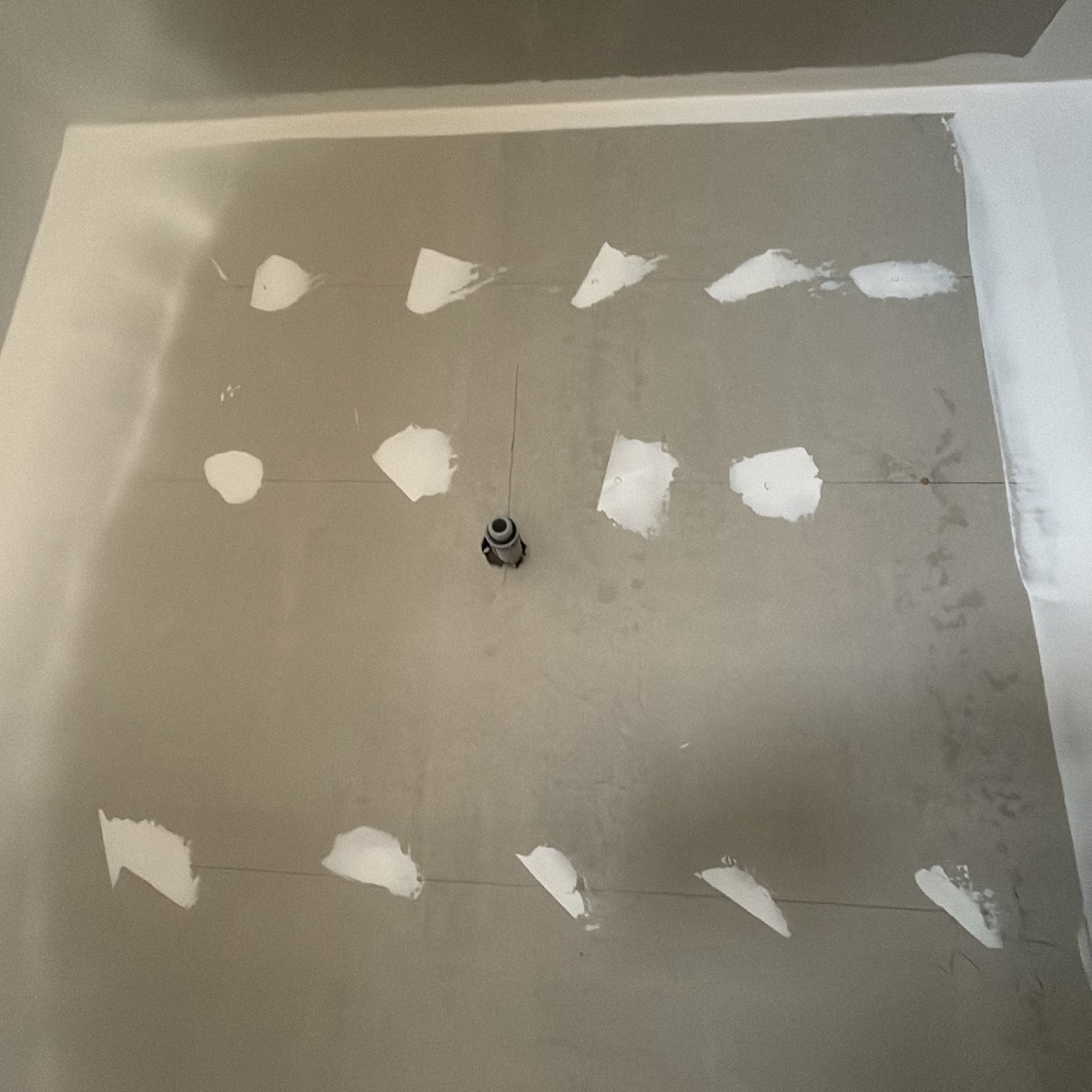 6WaterproofingAfter the membrane is applied and before any tile is laid
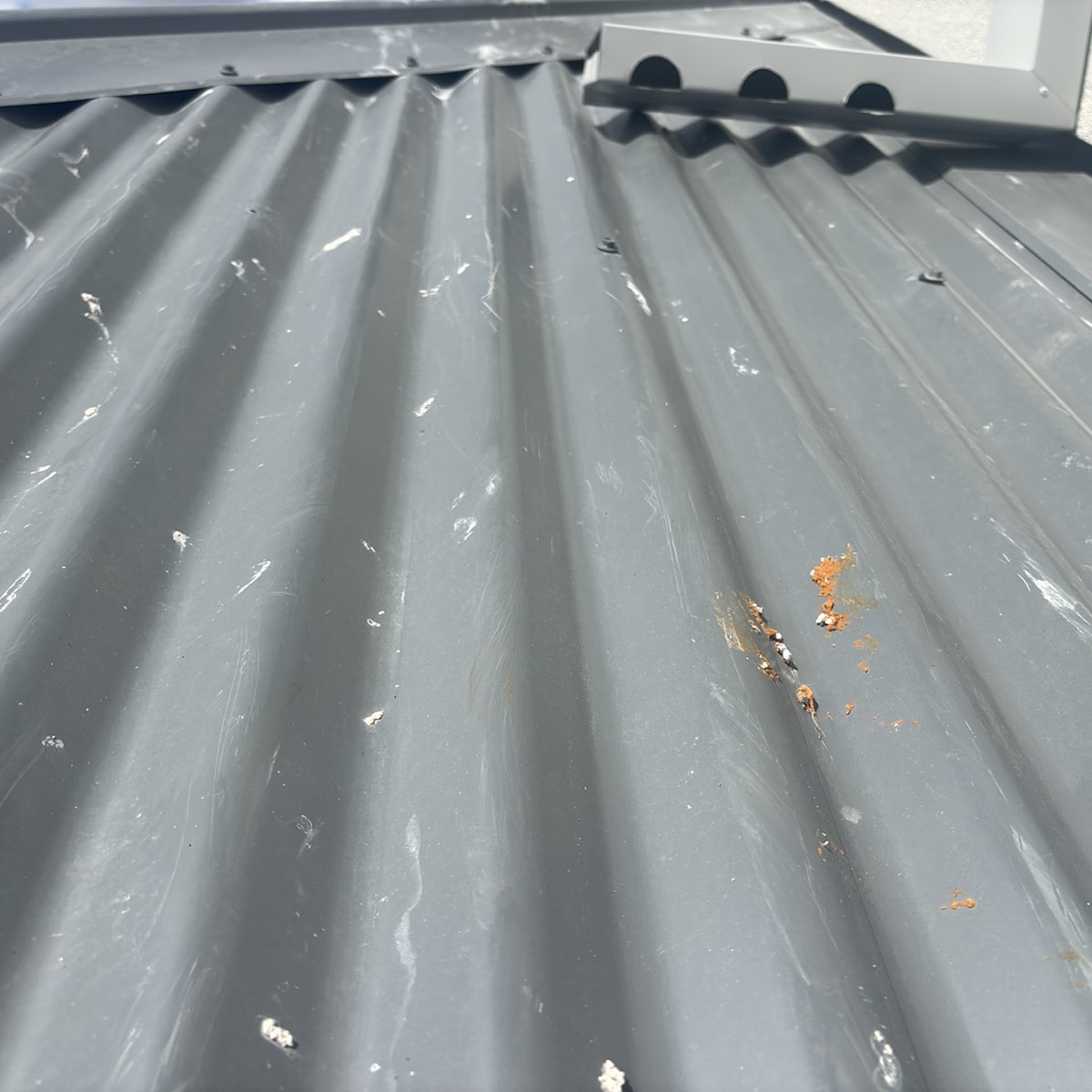 7Pre-handover (PCI)Two to three weeks before your handover date
Instant online pricing, or talk to the booking team on 1300 471 805.
Because the barrier only works as one continuous layer. A missing section is a direct path for ground moisture into the slab, and the cost of fixing it before the pour is a few metres of plastic and some tape.
You can inspect the finished slab surface, but not what is inside or beneath it. Everything listed above stops being verifiable the moment the concrete is placed, which is why this inspection has such a narrow window.
Because that is when they were taken, and we caption photographs with the stage they actually came from. We have not yet attended a pre-pour inspection in Craigieburn that produced published findings, and we will not relabel a frame photograph to fill the gap.
Roughly an hour to ninety minutes on a standard lot, with the report usually issued the same evening so the builder can act before the pour.
We move with it and there is no rescheduling charge. Dates shifting is normal and it is not a reason to skip the stage.
We record waste and sewer point positions where they are visible, because a point in the wrong place costs very little to move now and a great deal after the slab is down.